
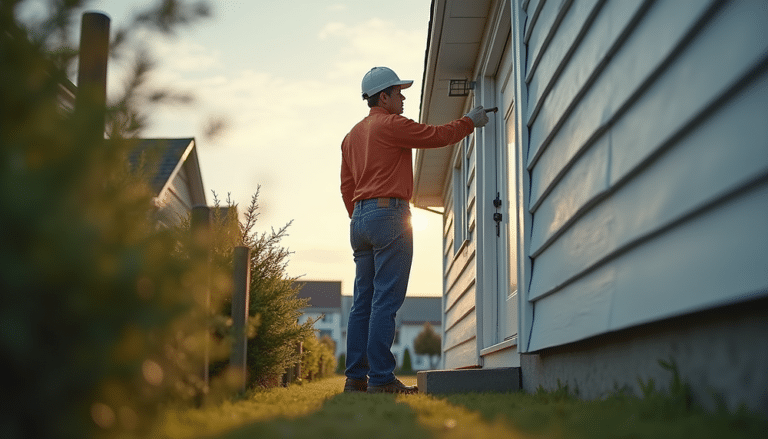
Buying or selling a property is a significant step. It comes with excitement but also a fair share of concerns. One way to ease those worries is through a thorough home inspection. This process helps uncover hidden issues and gives you a clearer picture of the property’s condition. Whether you are a first-time buyer or a seasoned investor, understanding what a home inspection involves can save you time, money, and stress.
In this guide, I will walk you through the essentials of home inspections in Edmonton. I’ll share practical tips, explain what inspectors look for, and help you know what to expect. Let’s dive in.
Why You Need a Residential Inspection Guide
A home inspection is more than just a formality. It’s a detailed examination of a property’s structure and systems. The goal is to identify any problems that could affect safety, value, or livability. Without this step, you might miss costly repairs or safety hazards.
Here’s why a residential inspection guide is useful:
Clarity: It helps you understand what inspectors do and why.
Preparation: You’ll know what to expect during the inspection day.
Confidence: It empowers you to make informed decisions.
Negotiation: Inspection results can be a tool to negotiate repairs or price adjustments.
For example, if the inspection reveals a leaking roof or faulty wiring, you can ask the seller to fix these issues before closing the deal. Or, you might decide to walk away if the problems are too severe.

What to Expect from a Residential Inspection Guide
When you hire a professional inspector, they will check many parts of the home. The process usually takes a few hours, depending on the size and age of the property. You can often attend the inspection to ask questions and learn more about the home’s condition.
Here’s a simple breakdown of what happens:
Exterior Check: Inspectors look at the roof, gutters, siding, windows, and foundation.
Interior Check: They examine walls, ceilings, floors, doors, and windows.
Systems Check: This includes plumbing, electrical, heating, ventilation, and air conditioning (HVAC).
Safety Features: Smoke detectors, carbon monoxide alarms, and fire exits are inspected. GFCI protection is tested.
Additional Areas: Basements, attics, and crawl spaces are inspected for moisture, pests, or structural issues.
The inspector will then prepare a detailed report with photos and notes. This report is your key document for understanding the home’s condition.
What do home inspectors check in Alberta?
In Alberta, home inspectors follow specific standards to ensure thoroughness and consistency. They focus on key areas that affect safety and functionality. Here’s what they typically check:
Roofing: Condition of shingles, flashing, and drainage.
Foundation and Structure: Cracks, settling, and stability.
Exterior Components: Siding, windows, doors, decks, and balconies.
Heating and Cooling Systems: Operation and maintenance of furnaces, boilers, and air conditioners.
Plumbing: Pipes, fixtures, water heaters, and drainage.
Electrical Systems: Panels, wiring, outlets, and grounding.
Interior Rooms: Walls, ceilings, floors, stairs, and railings.
Insulation and Ventilation: Adequacy and effectiveness.
Fireplaces and Chimneys: Safety and condition.
Safety Devices: Smoke and carbon monoxide detectors.
Inspectors in Alberta also consider local climate factors, such as cold winters and heavy snow, which can impact roofing and insulation needs.
If you want to see a sample report, you can check out this home inspection Edmonton example for a clear idea of what to expect.

How to Prepare for a Home Inspection
Preparation can make the inspection process smoother and more effective. Here are some tips to get ready:
Clear Access: Make sure the inspector can easily access all areas, including the basement, attic, and utility rooms.
Provide Documents: Share any maintenance records or warranties you have for appliances and systems.
List Concerns: Write down any specific issues or questions you want the inspector to address.
Attend the Inspection: If possible, be present during the inspection to learn firsthand and ask questions.
Plan for Repairs: Be ready to discuss repair options or negotiate based on the inspection findings.
For sellers, a pre-listing inspection can help identify problems early. Fixing issues before listing can speed up the sale and increase buyer confidence.
Common Issues Found During Home Inspections
Knowing common problems can help you focus your attention during the inspection. Here are some frequent issues found in Edmonton homes:
Roof Damage: Missing shingles, leaks, or poor drainage.
Foundation Cracks: Signs of settling or water intrusion.
Plumbing Leaks: Dripping faucets, corroded pipes, or slow drains.
Electrical Hazards: Outdated wiring, overloaded circuits, or missing ground fault interrupters.
HVAC Problems: Dirty filters, malfunctioning units, or inadequate ventilation.
Moisture and Mold: Damp basements, poor ventilation, or water stains.
Structural Concerns: Sagging floors, uneven walls, or damaged support beams.
Each of these issues can range from minor repairs to major renovations. The inspection report will help you prioritize what needs immediate attention.
Why Choose a Trusted Inspection Partner in Edmonton
Choosing the right inspection company is crucial. You want someone experienced, reliable, and thorough. A trusted partner will:
Use up-to-date tools and technology.
Follow Alberta’s inspection standards.
Provide clear, detailed reports with photos.
Offer friendly, professional service.
Help you understand the findings and next steps.
At JBR Inspections, the goal is to be your go-to partner for home and commercial property inspections in Edmonton, St. Albert, and Sherwood Park. We focus on helping you make smart real estate decisions and avoid unexpected, costly issues.
Taking the Next Step After Your Inspection
Once you have the inspection report, what’s next? Here are some practical steps:
Review the Report Carefully: Look at photos and notes to understand the issues.
Ask Questions: Don’t hesitate to contact your inspector for clarification.
Get Repair Estimates: For major problems, get quotes from qualified contractors.
Negotiate with the Seller: Use the report to request repairs or price adjustments.
Plan Your Budget: Include repair costs in your overall home buying budget.
Schedule Follow-Up Inspections: For repairs or specialized checks like pest control or radon testing.
Remember, a home inspection is a tool to protect your investment. It’s better to know about problems upfront than face surprises later.
I hope this residential inspection guide helps you feel more confident about the home inspection process. Whether you are buying or selling, a thorough inspection is a smart step toward a safe and sound property.
If you want to explore a detailed example, check out this home inspection Edmonton report to see what a professional inspection looks like.
Happy house hunting!